
Dazzlers and Debutants
Stories that will shape WAFCON 2026

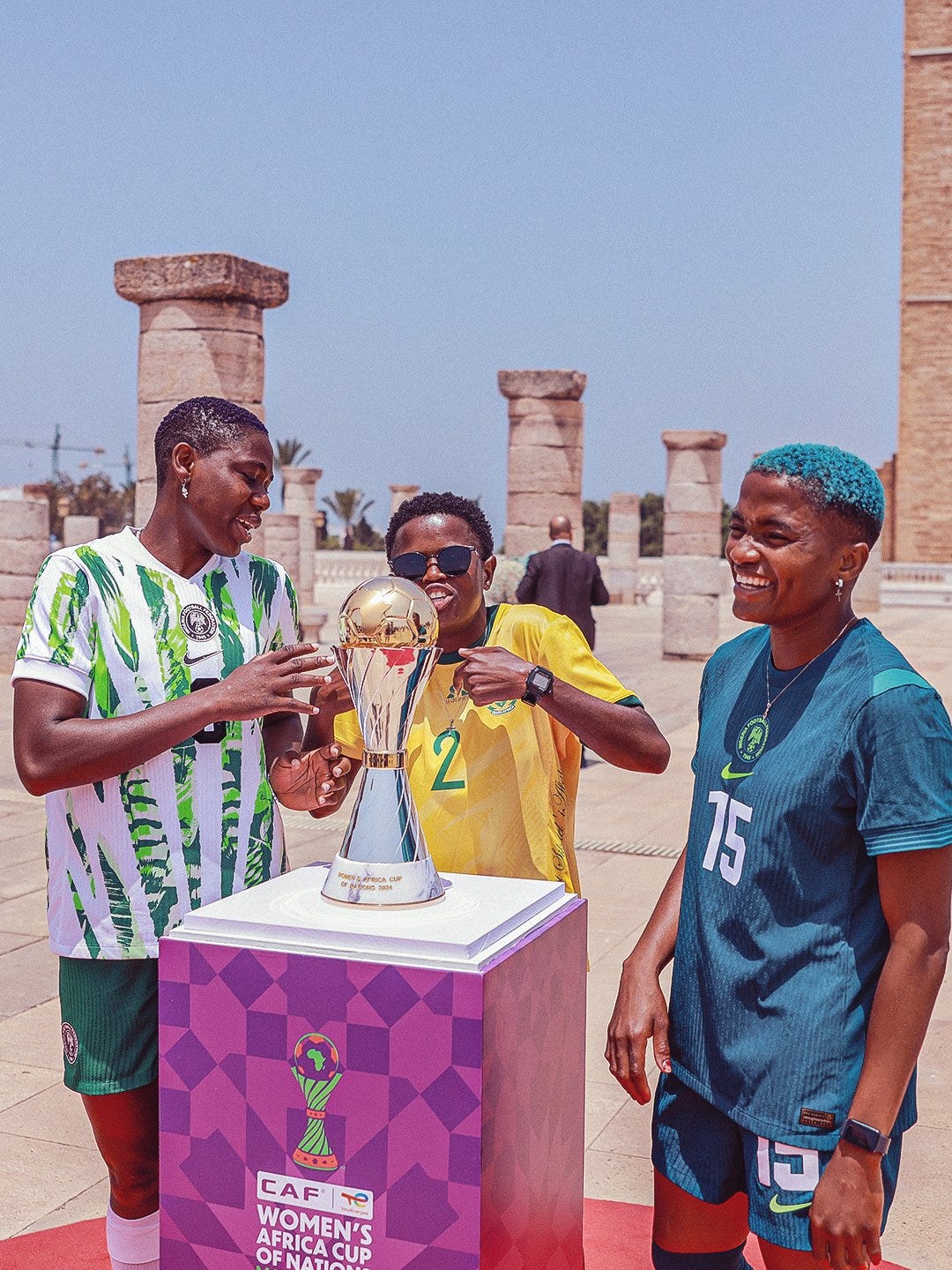
It’s less than a week to the opening night of WAFCON, but for some of us, the tournament has already begun.
It opens the stage in the countless stories that brought sixteen countries here and unfolds in footballers who have spent years carrying the hopes of their nations, often with little recognition beyond their borders.
It begins in young girls across Lagos, Lusaka, Rabat, Johannesburg and Accra who will spend the coming weeks watching women who look like them compete on the continent’s biggest stage.
Like how the ladies at Robo FC will watch Asisat Oshoala, Rasheedat Ajibade and Gift Monday; three different generations representing their nation from a local foundation.
Every edition of WAFCON captures African women’s football at a particular moment in time. Some have been remembered for Nigeria’s enduring dominance. And very recently, the tournament has marked the arrival of new challengers determined to reshape the continental order.
WAFCON 2026 feels different for many reasons
It is the first edition to feature sixteen teams, it also arrives at a time when African women’s football has never enjoyed greater visibility, credibility or belief.
There was a time when WAFCON introduced African players to the rest of the world and while that is still the case, today, many of those players arrive as established stars.
Across England, France, Spain, Italy and the United States, African footballers have become central figures at some of the biggest clubs in women’s football. Chiamaka Nnadozie has developed into one of the world’s finest goalkeepers. Barbra Banda has become one of the most feared forwards anywhere in the game. Racheal Kundananji’s record-breaking rise has transformed conversations around the value of African talent, while Rasheedat Ajibade, Ghizlane Chebbak and Evelyn Badu continue to carry the continent’s reputation onto some of football’s biggest stages.
This is a tectonic movement worth spotlighting.
For decades, WAFCON served as a platform for discovery. Increasingly, it has become a reunion. The continent is no longer introducing its best players to the world; it is welcoming world-class footballers back home. Yet that progress remains wonderfully incomplete.
The same tournament that showcases globally recognized professionals will also feature players who continue to navigate limited investment, inconsistent domestic structures and inadequate support.
Super Falcons crave friendlies and better preparations, Bayana Bayana want their wages and the Shepolopolos of Zambia want a safe environment to play.
That contrast is perhaps the most honest reflection of African women’s football today. It is a game accelerating towards a brighter future while still carrying the weight of challenges from its past.
It is about proving that the growth of women’s football across Africa is no longer an aspiration but a reality.
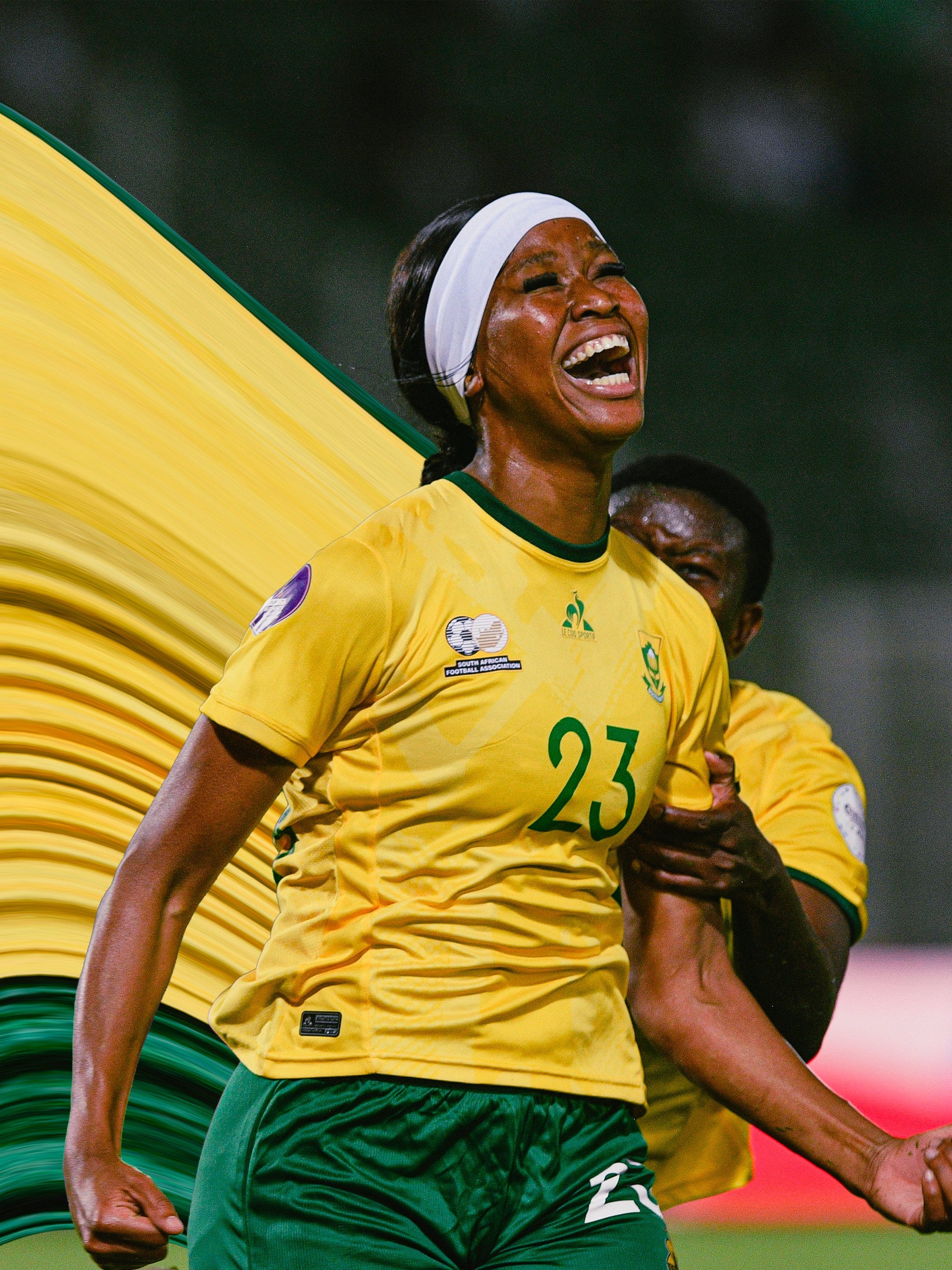
Four Teams, Four Different Stories
Every major tournament has its protagonists. WAFCON 2026 has four.
Nigeria remain the story that every other nation must confront. The Super Falcons have won more continental titles than any other country and have spent decades setting standards that once appeared impossible to match.
The current generation inherits that remarkable legacy through players like Chiamaka Nnadozie, Rasheedat Ajibade, Asisat Oshoala while absorbing new superstars like Esther Okoronkwo, Toni Payne, Deborah Abiodun and others. They also inherit the pressure that comes with this legacy.
Despite the repeated poor preparations, For Nigeria, success is rarely celebrated as an achievement. It is treated as an expectation.
South Africa arrive carrying something powerful: belief. Their triumph in 2022 proved that Nigeria’s dominance was no longer inevitable and that sustained investment, tactical clarity and patience could produce continental champions. Having conquered the continent once after many attempts, they’d be looking to clinch this again.
Then there is Morocco.
Few countries have invested in women’s football with the same conviction over the past decade. Two successive appearances in the final have transformed the Atlas Lionesses from hopeful hosts into genuine contenders. Playing on home soil once again, they carry the hopes of a nation eager to see years of investment rewarded with history, especially after coming so close twice.
And finally, Zambia.
If tournaments were won solely on excitement, the Copper Queens would already have one hand on the trophy. Few partnerships in world football are more electrifying than Barbra Banda and Racheal Kundananji. Together, they possess the pace, power and unpredictability to alter the course of a match in an instant. They represent perhaps the continent’s greatest reminder that football is often decided not by control, but by moments. A lot was expected from them last year, and while their defensive frailties proved a waning weakness, they’d be hoping to do better this year.
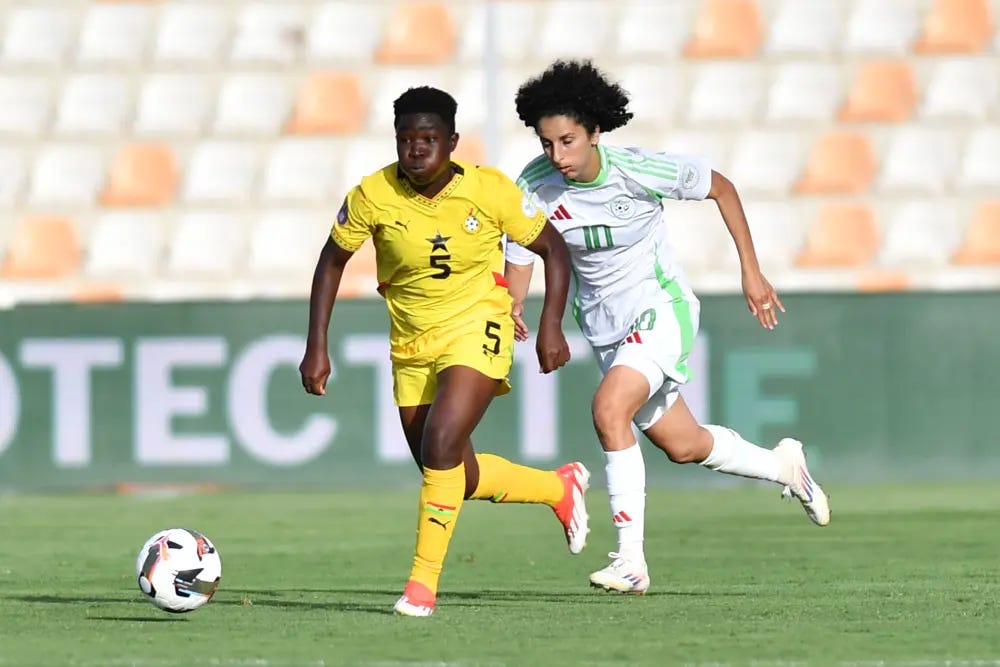
The Teams Waiting to Rewrite the Script
Every WAFCON almost gives us a new name to root for and this year won’t be an exception.
Ghana return determined to reclaim their place among Africa’s leading sides, while Cameroon continue to possess the experience and resilience that make them dangerous opponents regardless of form. Algeria has developed into organized, technically impressive teams capable of frustrating more established nations, and Senegal’s steady rise suggests they are no longer content with merely competing.
Then there are Malawi and Cape Verde.
For both nations, qualification alone has already become part of their football history. Their presence at WAFCON represents years of development finally rewarded with a place on the continent’s biggest stage. They arrive without the burden of expectation but with something equally valuable: freedom.
The expansion to sixteen teams has made these stories possible. More importantly, it has made the tournament a truer reflection of African women’s football as a whole.
The Players Who Will Define the Moment.
Great tournaments are remembered through people.Supporters may eventually forget every group table and every scoreline, but they remember the players who made them feel something.
Some will watch Barbra Banda searching for another defining performance. Others will marvel at Chiamaka Nnadozie’s composure between the posts or Rasheedat Ajibade’s ability to influence games through intelligence as much as intensity. Morocco will once again look towards Ghizlane Chebbak, while Malawi’s hopes will rest heavily on the talent of the Chawinga’s sisters.
Surprisingly,
Somewhere among these sixteen squads is a footballer preparing to introduce herself to Africa. She may be a dazzling debutant like Okoronkwo or Mssoudy or a lanky teenager whose name we don’t know yet.
WAFCON is a few days away, and the stage is ready? Are you ready to witness the continent’s greatest showpiece?
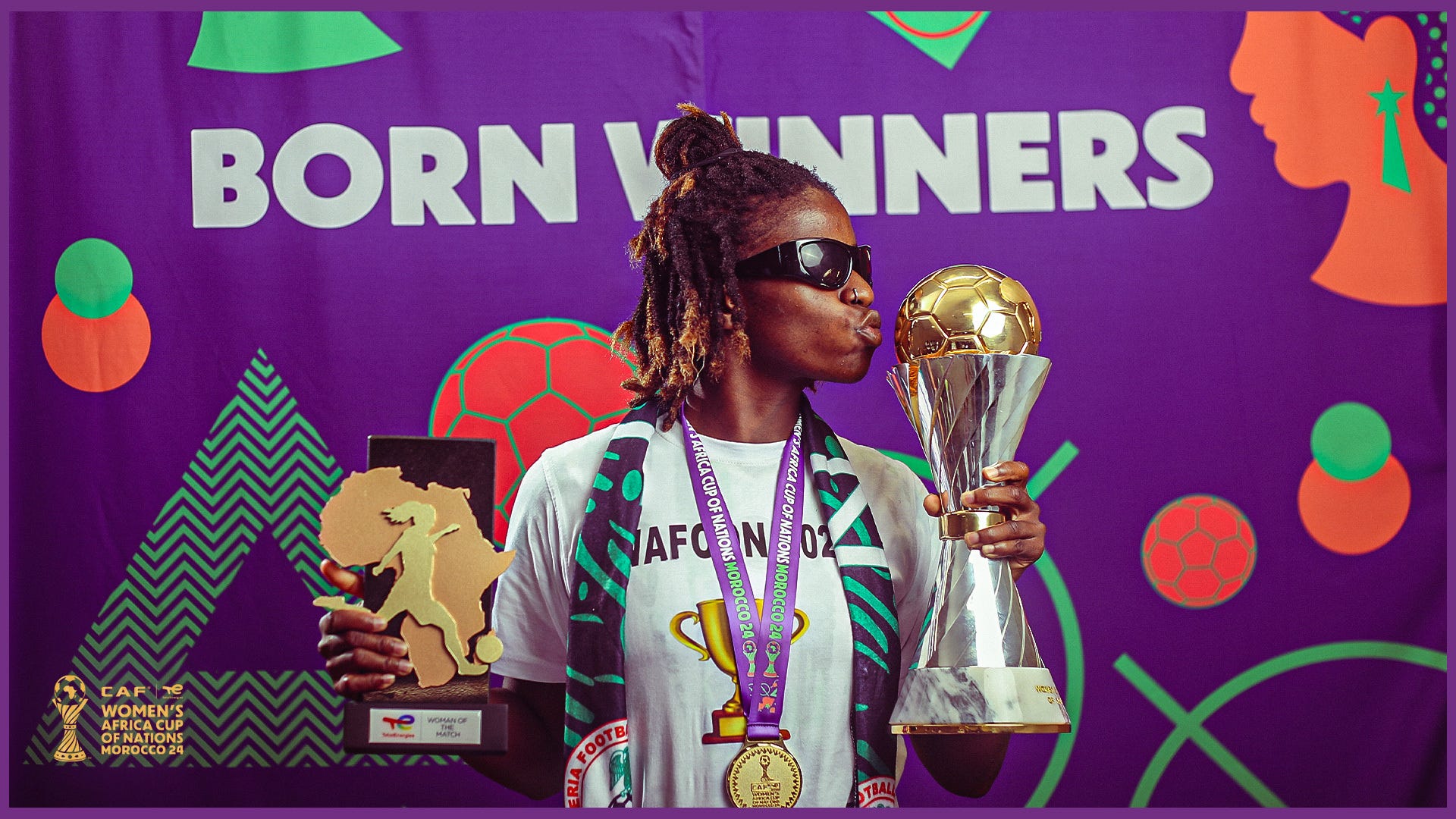
This post has increased my excitement 100X for the WAFCON! Bring it on!!
This is my SUMMER ACTIVITY! (Don't ask me why)